GW
Growing Wise Therapy

Areas We Support
-
Developmental delays
-
Sensory processing disorders
-
Fine & gross motor delays
-
Speech & language delays
-
Neurological conditions
-
Birth injuries or defects
-
Feeding therapy
-
Autism/pervasive developmental disorders
-
Learning disabilities
-
Down syndrome and other genetic conditions
-
Cerebral palsy and other chronic illnesses
OCCUPATIONAL THERAPY
Occupational therapy helps children develop the skills they need for daily life, learning, and play.
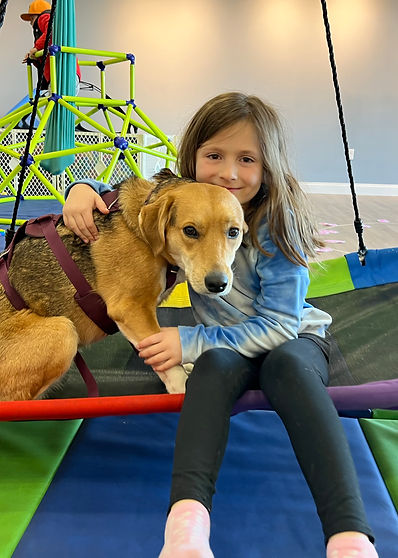
Fine Motor Skills & Hand Strength - Helping with handwriting, buttoning clothes, using utensils, and gripping objects.
Sensory Processing & Regulation – Assisting children who may be overly sensitive or under-responsive to sounds, textures, movement, and other sensory input.
Attention & Executive Functioning – Improving focus, problem-solving, and organization skills to help children succeed in school and daily activities.
Self-Care & Daily Living Skills – Teaching independence in dressing, toileting, bathing, brushing teeth, and eating.
Emotional & Social Development – Supporting children in recognizing emotions, handling frustration, and improving peer interactions.
Coordination & Body Awareness – Helping with balance, posture, and movement control for everyday activities.
PHYSICAL THERAPY
Physical therapy helps children move better, gain strength, and improve mobility so they can participate fully in daily life, school, and play.
Gross Motor Skill Development – Strengthening muscles for walking, running, jumping, and climbing.
Balance & Coordination Training – Improving stability and preventing falls, especially in children with developmental delays.
Posture & Core Strength – Helping children develop better body alignment, core control, and endurance for sitting, standing, and movement.
Gait Training & Mobility Support – Working with children who use braces, walkers, or orthotics to improve walking patterns and movement efficiency.
Sports Injury Recovery & Prevention – Helping young athletes recover from injuries and prevent future ones with strengthening and flexibility training.
Torticollis & Plagiocephaly Therapy – Supporting infants with head tilts or flat head syndrome through gentle stretching and positioning techniques.

SPEECH THERAPY
Speech therapy helps children build the communication skills they need to express themselves, connect with others, and thrive in everyday life.

Speech Sound Development – Helping children learn to pronounce sounds clearly for better understanding.
Language Skills – Supporting both understanding (receptive) and expression (expressive) of words, sentences, and concepts.
Social Communication – Teaching children how to interact, take turns, make eye contact, and engage with others.
Stuttering & Fluency – Assisting children who struggle with smooth, fluent speech patterns.
Feeding & Swallowing – Working with infants and children on safe chewing, swallowing, and oral motor skills.
Augmentative & Alternative Communication (AAC) – Introducing tools and strategies for children who need support beyond verbal communication.